
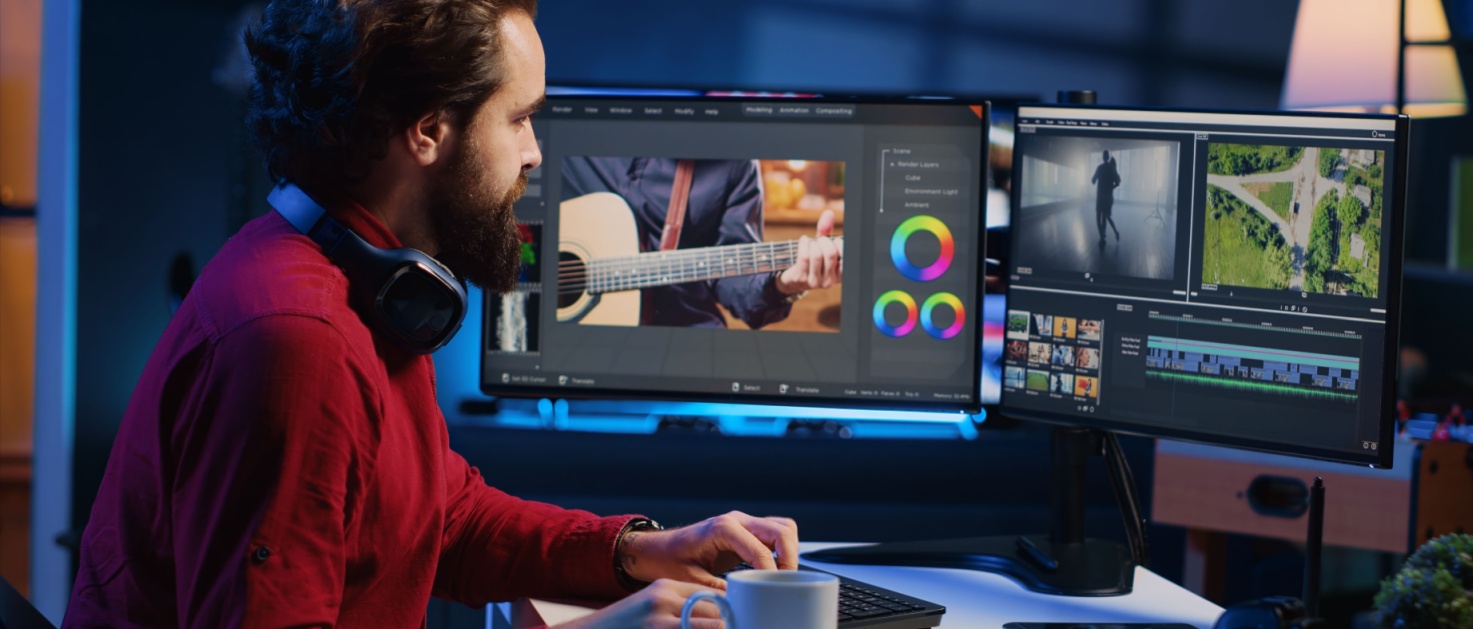
In recent years, AI has significantly transformed the creative landscape, especially in content production. One of the most accessible and practical applications of AI is turning static images into dynamic videos. For creators, marketers, and educators across the MENA region, this technology offers a streamlined way to generate engaging visual content without the need for advanced video editing skills.
Below is a selection of AI platforms commonly used to animate still images with insights into their capabilities and relevance to users in MENA.
Runway ML:
Runway is an intuitive AI-powered creative toolkit that enables users to animate images, generate motion, and enhance visuals. Its Gen-2 model allows users to create short video sequences based on text prompts or still images. What makes Runway particularly useful is its user-friendly interface, which suits both professionals and beginners.
D-ID:
Originally developed for creating photorealistic facial animations, D-ID has become popular for transforming portraits into speaking avatars. It is especially beneficial for educational content or multilingual explainer videos. The platform supports Arabic and other regional languages, making it a suitable choice for communicators in MENA.
Pika Labs:
Pika Labs offers AI-generated video solutions from text and image prompts. It provides creative flexibility, particularly for social media content creators. Though still in beta, Pika has gained traction for its smooth animation rendering and ease of use.
Kaiber:
Kaiber is designed to turn static visuals into animated clips by applying stylistic transformations. It is ideal for music videos, brand storytelling, or personal art projects. While it does not support Arabic text inputs directly, the visual-first nature of the tool makes it versatile enough for MENA users with a creative edge.
Synthesia:
Synthesia is best known for producing AI-generated videos featuring lifelike avatars. While its core functionality focuses on text-to-speech video production, it also allows users to incorporate images and create narrative-driven content. Arabic voiceover options make it particularly relevant for businesses and institutions in the region.
As AI continues to evolve, the barrier to professional-quality video content is steadily being lowered. The platforms listed above serve as a starting point for anyone in the MENA region looking to bring static visuals to life with the help of AI.
