
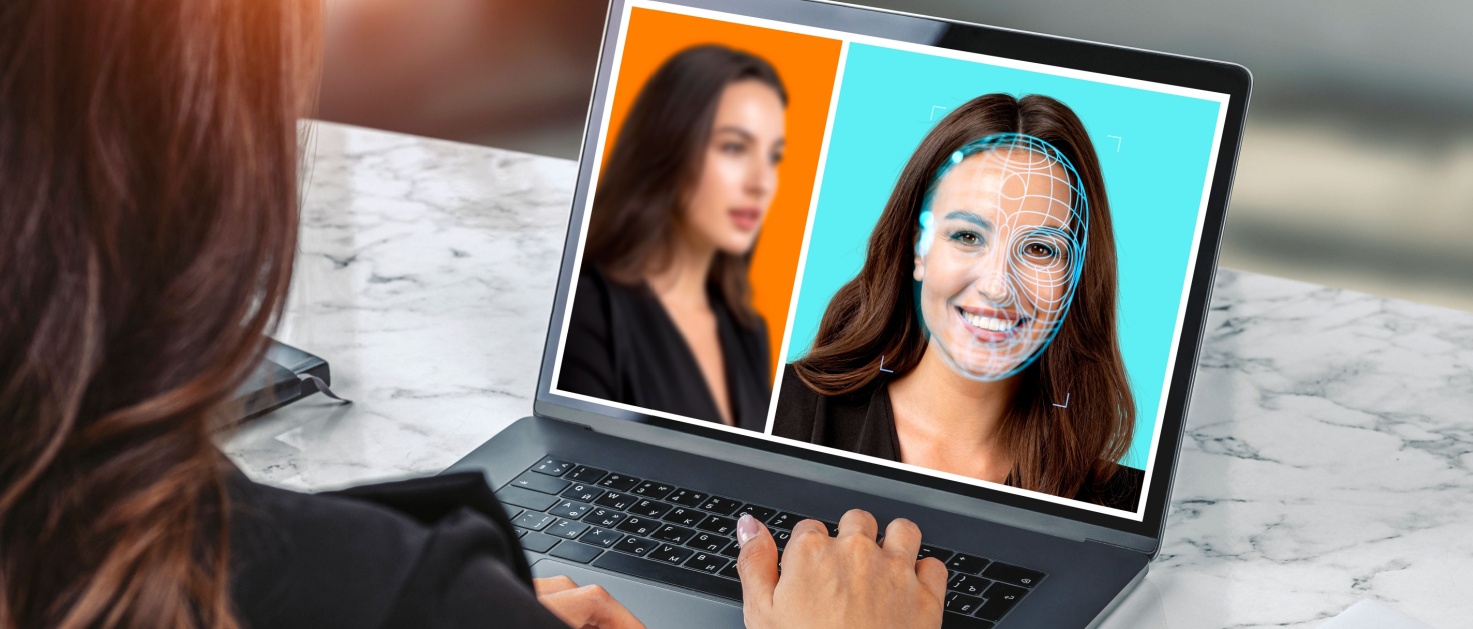
The rise of AI has transformed communication, marketing, and advertising worldwide. One of the most disruptive outcomes of this transformation is deepfake technology - AI-generated videos and audio that can mimic real people with striking accuracy. While it can offer creative opportunities, in regions such as MENA, where cultural values and brand trust hold exceptional significance, the misuse of deepfakes presents a profound risk to advertisers.
How Deepfakes Threaten Brands in MENA:
Trust is the foundation of consumer-brand relationships, and in MENA markets, where reputational standing is closely tied to community values, the impact of deepfake misuse can be particularly damaging. A fabricated video showing a brand ambassador, influencer, or public figure endorsing a product or making controversial statements can go viral within hours, sparking public outrage and eroding credibility.
Given the rapid digital adoption in the region, driven by young, social media–savvy populations, misinformation spreads quickly, making it harder for brands to control narratives once deepfake content circulates. For advertisers, this not only threatens consumer trust but may also raise legal and cultural challenges unique to the region.

Risk Areas for Advertisers:
Deepfakes can undermine brand safety in multiple ways:
Campaign Integrity: Unauthorized ads produced with deepfakes may misrepresent brand values and messaging.
Influencer Marketing: Since influencer collaborations are a dominant marketing strategy in MENA, manipulated videos of these figures pose serious reputational risks.
Corporate Trust: Fake statements attributed to executives can destabilize partnerships, investor relations, and stakeholder confidence.
Can These Risks Be Prevented?
While it is nearly impossible to eradicate the threat of deepfakes, advertisers in MENA can adopt strategies to reduce vulnerabilities:
Technological Safeguards: Employing AI-powered verification and watermarking systems can help identify manipulated media before it spreads widely.
Proactive Crisis Management: Brands should establish rapid-response teams capable of addressing misinformation in real time.
Regional Regulations: Governments in the MENA region are gradually introducing digital safety laws and cybercrime regulations, which can be leveraged to protect brands from malicious use of deepfakes.
Awareness Campaigns: Educating employees, partners, and consumers about how to recognize deepfakes strengthens collective resilience.

In summary, deepfake technology is a double-edged sword: while it offers new creative possibilities, its misuse poses serious threats to brand safety. In the MENA region, where trust, reputation, and cultural sensitivity are paramount, advertisers must adopt proactive measures to safeguard their credibility. By combining technological solutions, regulatory compliance, and strong communication strategies, brands can better protect themselves against the growing risks of synthetic media.
