
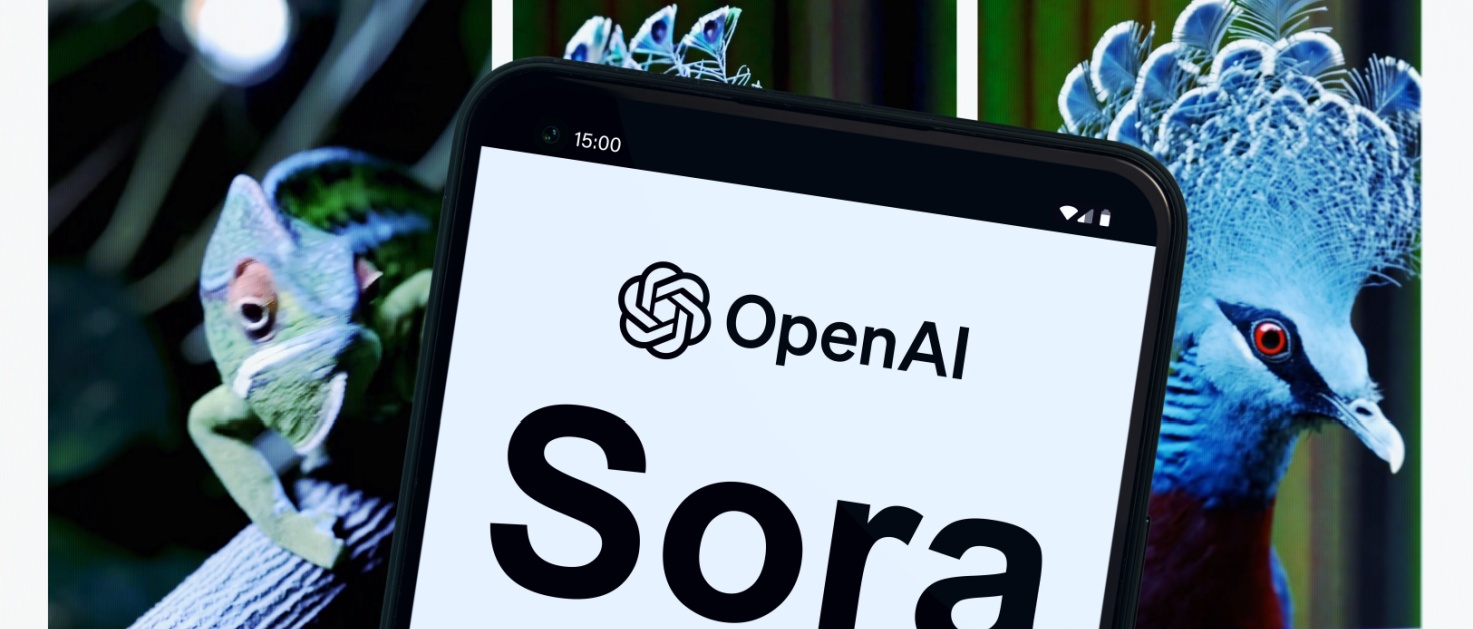
The release of OpenAI’s Sora, an AI-powered video generation tool capable of creating photorealistic, dynamic, and narrative-driven video content from text prompts, has sparked a global debate about the future of media production. While much of the discourse has focused on Hollywood and Western Europe, Sora may have a particularly transformative impact on how the advertising industry operates in MENA.
Disrupting Traditional Production Pipelines:
In many MENA countries, ad production has long depended on a mix of international crews, imported technology, and limited local infrastructure. High production costs and logistical challenges have often posed barriers, especially for smaller agencies or emerging brands. Sora could change this dynamic by significantly lowering the entry threshold for producing high-quality video content.
By enabling creatives to generate complex visuals without cameras, sets, or actors, Sora allows for ideation and execution to occur simultaneously. This agility is especially appealing in fast-paced markets like the UAE, Saudi Arabia, and Egypt, where brands are increasingly demanding quicker turnarounds without compromising visual sophistication.
Cultural and Linguistic Localization:
In MENA, one of the most distinct advertising challenges lies in balancing modern visual storytelling with deep cultural sensitivities. Sora’s ability to render hyper-specific scenes could allow agencies to better localize campaigns by representing diverse cultural nuances, from clothing and landscapes to dialect and symbolism, without the traditional cost of reshoots or overseas production.
However, this potential also raises important questions. Who controls the datasets Sora is trained on? Can it truly understand and reflect the intricacies of Arab, Berber, or Persian identities? Will its outputs be as culturally intuitive as they are visually compelling?
The Shift in Creative Roles:
Another implication of AI-generated video content is the evolving role of the creative professional. In MENA markets where creative education and industry training are still maturing, Sora might either accelerate the democratization of content creation - or widen existing skill gaps between those who can prompt effectively and those who cannot.
Whether Sora becomes a tool of liberation or disruption in MENA's advertising landscape will depend not just on its technical capabilities but on how agencies, creators, and regulators choose to embrace or resist it. What is certain is that AI tools like Sora are pushing the region -and the world- toward rethinking what production means in the 21st century.
